Bhut Jolokia Pepper Production Facilities | Key Facts and Insights
By:Admin
In recent years, the Bhut Jolokia pepper, also known as the Ghost pepper, has captured significant attention in the global spice market due to its intense heat and unique flavor profile. Production facilities focused on this extraordinarily hot chili pepper have seen remarkable growth, propelled by increasing consumer interest in spicy foods and innovative culinary uses worldwide.
Bhut Jolokia pepper factories, specializing in cultivating, processing, and packaging this distinctive chili, are expanding their operations to meet rising demand. These factories are located primarily in regions known for optimal growing conditions, including parts of Northeast India where the pepper originates. The Bhut Jolokia pepper has been certified as one of the hottest chili peppers globally, with Scoville Heat Units (SHU) ranging between 800,000 and over 1 million, making it a favorite ingredient for heat enthusiasts and specialty food producers.
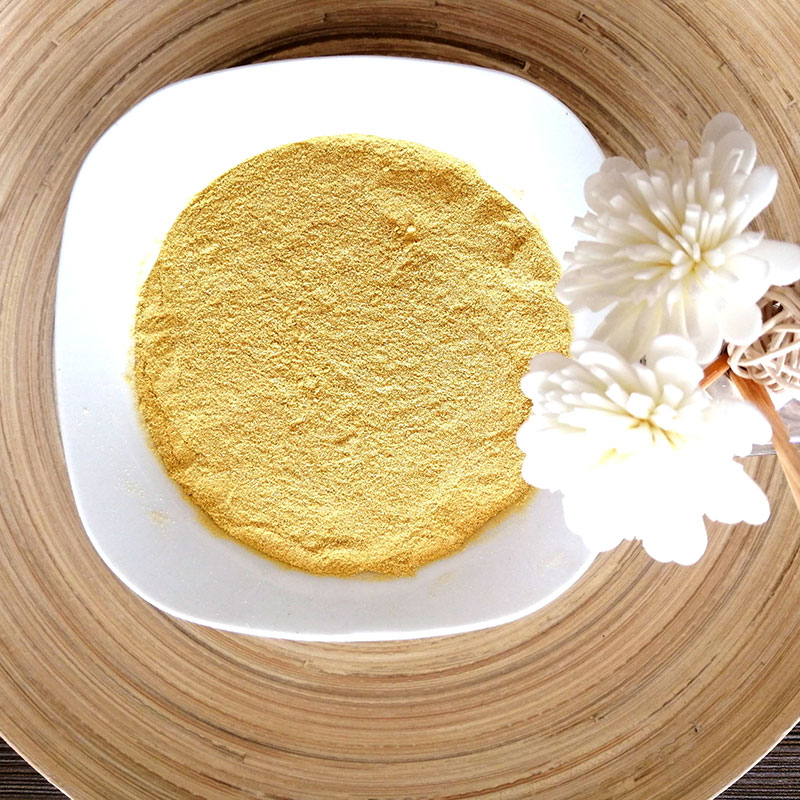
The production process in these facilities is both labor-intensive and highly specialized. From seed selection and nurturing the plants under controlled agricultural practices to harvesting ripe peppers at peak flavor, each step is designed to maintain quality and potency. The peppers are then processed using techniques such as drying, grinding, and extraction to create various products including whole dried pods, chili powders, extracts, and sauces.
One notable trend in the industry is the emphasis on sustainable and organic farming methods. Pepper factories are adopting eco-friendly practices to reduce their environmental footprint. This includes minimizing the use of chemical pesticides, implementing water conservation technologies, and ensuring the health of the soil through crop rotation and natural fertilization methods. These sustainable efforts are increasingly appreciated by consumers who prioritize both product quality and environmental responsibility.
The growing global interest in hot and spicy foods has significantly influenced the business strategy of Bhut Jolokia pepper production units. Markets in North America, Europe, and East Asia have shown robust demand for authentic and high-quality ghost pepper products. Food entrepreneurs and manufacturers incorporate these peppers into snacks, condiments, and even personal care products, leveraging their heat and distinctive flavor as a unique selling proposition.
Beyond culinary applications, Bhut Jolokia peppers also have roles in medicinal and agricultural fields. Their capsaicin content, responsible for the intense heat, is utilized in topical treatments for pain relief and anti-inflammatory purposes. Additionally, capsaicin-based natural pest repellents are gaining traction among farmers looking for alternatives to synthetic chemicals.
The expansion of Bhut Jolokia pepper factories has also had a positive socioeconomic impact on local communities. These facilities provide employment opportunities, foster skills development, and support ancillary industries such as packaging, logistics, and marketing. By cultivating a value-added product, local economies benefit beyond traditional agriculture, helping to improve livelihoods and stimulate rural development.
Technological innovations are playing a significant role in advancing pepper production. Modern greenhouses, automated irrigation systems, and precision agriculture tools enable farmers and manufacturers to optimize yields and maintain consistency. Data-driven approaches help monitor plant growth conditions, pest infestations, and harvest timing, leading to better resource management and higher-quality produce.
To safeguard product integrity and meet international standards, Bhut Jolokia pepper factories adhere to rigorous quality control protocols. These include testing for purity, potency, and contaminants at various stages of production. Certifications such as ISO, HACCP, and organic labels enhance product credibility and facilitate access to global markets.
Looking ahead, the industry anticipates further growth driven by innovation and consumer trends. The rise of fusion cuisines, spicy food challenges, and health-conscious consumers exploring capsaicin’s benefits indicate a promising future for ghost pepper products. Moreover, research into new varieties and improved cultivation methods could yield peppers with enhanced flavors and heat profiles tailored to diverse market needs.
In summary, Bhut Jolokia pepper production facilities are at the forefront of a vibrant and expanding segment of the global spice industry. Through a combination of traditional knowledge, modern technology, and sustainable practices, these factories are successfully meeting the burgeoning appetite for one of the world’s hottest and most intriguing chili peppers. Their contribution extends beyond commerce, fostering economic development and offering consumers authentic, high-quality spicy products that continue to captivate palates around the world.